Liquorsmiths Home

Category

Features

23 articles

Stuck, Not Broken: How UK Distillers Read a Stalled Wash

It’s rarely a dramatic explosion. A stuck fermentation is a quiet, expensive puzzle that unfolds in the small hours: a gravity reading that won’t budge, a tank that smells wrong, a decision that can’t wait until morning. We spoke to UK distillers about how they diagnose a wash that refuses to finish — and why the real work happens long before anyone opens the still.

The Unhurried Cut: Why the Final Watering Is the Last Thing Anyone Should Rush

The Unhurried Cut: Why the Final Watering Is the Last Thing Anyone Should Rush

Before a cask-strength spirit can become a bottle you'd actually pour on a Tuesday night, someone has to add water to it — and that last addition decides texture, aroma and how hot the finish feels. Here's what careful reduction looks like in a UK distillery, and the honest clues that separate patience from a hosepipe and a deadline.

Warehouse Weather: What a Cask Spends to Stay in the UK

Warehouse Weather: What a Cask Spends to Stay in the UK

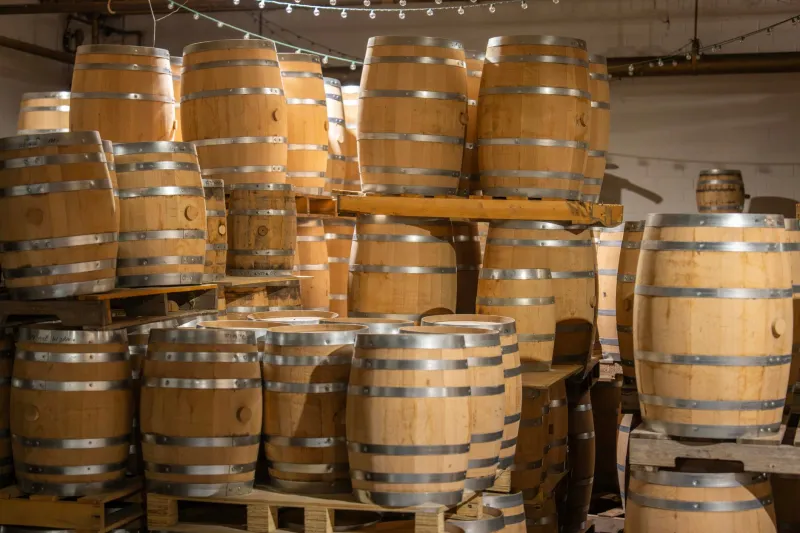
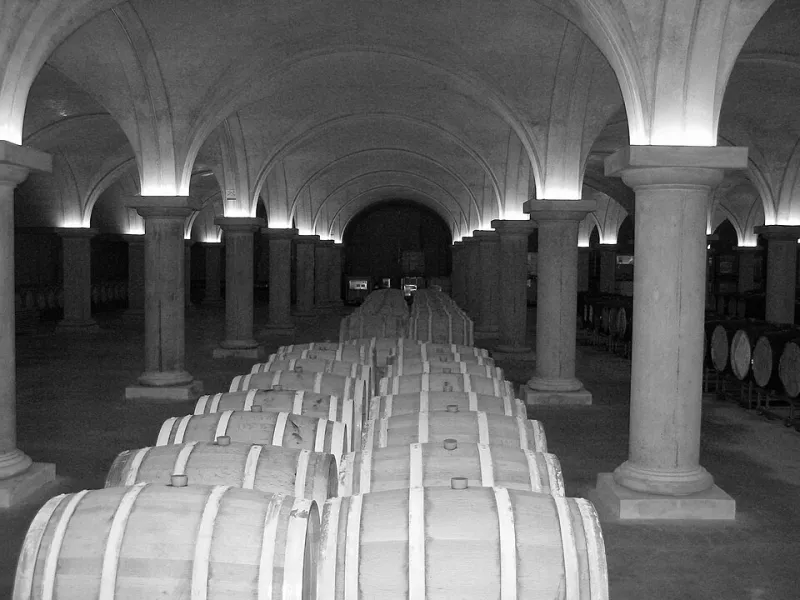
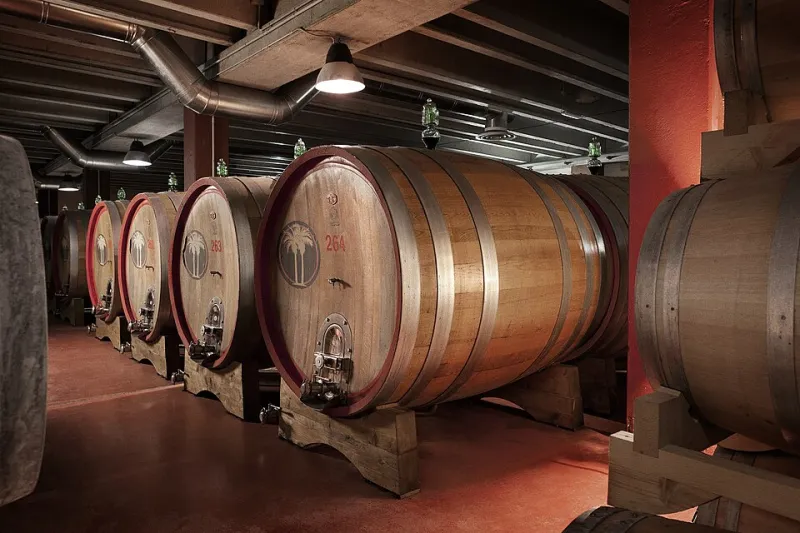
The angel’s share is the romantic name for a very practical loss. In a UK warehouse, every cask is also paying rent in floor space, insurance, duty suspense and quiet evaporation — and the climate decides how that bill is settled. Here’s how to read maturation claims with a sharper eye.

Your Name on the Cask: What Private Barrel Ownership Actually Buys You in the UK

Your Name on the Cask: What Private Barrel Ownership Actually Buys You in the UK

Private cask schemes have moved from the fringes of the whisky world to the front page of distillery websites. But a cask is a contract as much as a container, and the gap between the brochure and the bonded warehouse is where buyers get caught out. We spoke to distillers and scheme operators about storage, insurance, sampling, bottling bills and the exit routes nobody mentions at the tasting.

The Bottle's Handshake: How UK Distillers Choose a Closure That Earns Its Keep

The Bottle's Handshake: How UK Distillers Choose a Closure That Earns Its Keep

A cork, a screwcap or a synthetic stopper is more than the last thing you twist or pull. For UK craft distillers, the closure is a running negotiation between shelf life, sustainability, cost and the way a bottle feels in the hand. We asked distillers and closure specialists what that tiny decision really decides.

Bring It Back: The Unglamorous Logistics of Refillable Craft Spirits Bottles

Bring It Back: The Unglamorous Logistics of Refillable Craft Spirits Bottles

Refill schemes sound like a simple win: return the bottle, wash it, fill it again. In practice, UK craft distillers are finding that the hard part is not the glass but the reverse logistics, hygiene checks, branding compromises and customer habits that decide whether a bottle ever comes back.

Whose Still Is It Anyway? The Quiet Trade Behind UK Craft Spirits

Whose Still Is It Anyway? The Quiet Trade Behind UK Craft Spirits

Contract distilling is one of the UK craft spirits scene’s least discussed open secrets. It isn’t automatically a problem — but it does raise a fair question for drinkers: who actually made the liquid in your glass, and how much does the label tell you?

The Shape of the Sip: What Your Glass Is Really Doing to Craft Spirits

The Shape of the Sip: What Your Glass Is Really Doing to Craft Spirits

A tumbler can flatten a carefully made gin; a copita can let a £30 bottle speak clearly. We put four everyday glasses against the same spirit, asked a UK distiller and a bartender what they reach for at home, and found a short, affordable shortlist that does the bottle justice.

The Source Test: Does a Distillery’s Water Really Reach Your Glass?

The Source Test: Does a Distillery’s Water Really Reach Your Glass?

Water is the quiet majority of most spirits, yet it has long been the least examined part of the bottle. We asked UK distillers about boreholes, mains supply and water treatment — then put the claim to a small tasting panel to see whether the source survives the journey to your glass.

The Extra Yard: Why 46% ABV Has Become Craft Spirits' Quiet Standard

The Extra Yard: Why 46% ABV Has Become Craft Spirits' Quiet Standard

Forty per cent is the supermarket default; 46% is the flag most UK craft distillers plant on the label. Here is what those six extra points actually do to a spirit's nose, texture and finish — plus a straightforward way to taste the difference at home with one bottle, a syringe and ten minutes.

The Back Label Doesn’t Lie — But It Doesn’t Tell the Whole Story

The Back Label Doesn’t Lie — But It Doesn’t Tell the Whole Story

Front labels do the flirting; back labels do the paperwork. Here’s how to read a UK craft spirits label properly — what the law actually requires, which phrases are marketing shorthand, and which small details are worth your attention before you spend £40 on a bottle.

Air Time: How Long an Opened Bottle Really Keeps Its Character

Air Time: How Long an Opened Bottle Really Keeps Its Character

That half-empty bottle at the back of the cupboard is either fine, fading, or quietly ruined — and the difference has very little to do with the date you opened it. We asked UK distillers what oxygen actually does to gin, whisky, rum and liqueurs, ran a few kitchen-table tests, and put together a shelf-life guide you can actually use.