The £35 Bottle, Taken Apart: What Craft Distillers Wish You Knew About Price

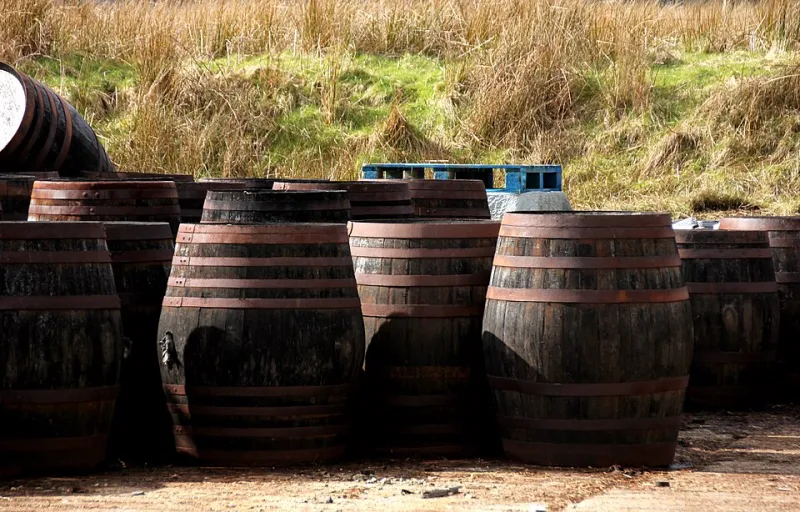
Photo: ronnie leask, CC BY-SA 2.0, via Wikimedia Commons
A £35 bottle of UK craft spirit is not cheap. It is also not automatically expensive. The difference between the two is usually information — and that is the thing small distillers are often worst at giving you. After a decade of watching craft spirits move from farmers' markets to supermarket shelves, I have sympathy for both sides. A drinker sees a 70cl bottle and thinks, rightly, that £35 is a lot for a Friday night. A distiller sees the same bottle and thinks about duty, glass, a still that needs a new gasket, and a cask room that has been quietly eating money for four years.
This is not a defence of every £35 bottle. Some are worth it. Some are not. But if we are going to argue about price, let us argue with the receipt in front of us.
Duty and VAT take the first bite
Start with the tax. At 40% ABV, a 70cl bottle contains 28cl of pure alcohol, and UK spirit duty is charged per unit of pure alcohol. At the time of writing that is roughly £9 a bottle before the distiller has paid for anything else. Then there is VAT at 20%. On a £35 shelf price, VAT is £5.83. So nearly £15 of that £35 is tax. The distiller never sees it, the retailer never keeps it, and yet it is the first number on the invoice.
What is left — about £20 — has to cover the liquid, the bottle, the cork, the label, the carton, delivery, card fees, wages, rent, insurance, and the small matter of the years the spirit may have spent in cask. When you put it like that, £35 starts to look less like a lifestyle markup and more like a tight budget.
Grain is cheap. Still time is not
Mara Ellison, co-founder of Fenwick & Fell Distillery in Cumbria, laughs when I ask whether grain costs are the problem. 'People see £35 and think we are buying a second home,' she says. 'We are buying another fermenter. The grain is not the issue. The issue is that a small pot still run takes a day, two people, a lot of energy, and a cleaning regime that nobody Instagrams.'
Small batches are inefficient by design. A large distillery can run a column still continuously and spread costs over thousands of bottles. A craft distiller might fill a few hundred bottles from a run, then spend the same amount of time cleaning, checking, and labelling. If the spirit is aged, the cost is higher still: angel's share, warehouse rent, insurance, and capital tied up in stock that cannot be sold for years.
Tom Vickery, founder of Saltmarsh Spirits in Kent, puts it more bluntly. 'Every bottle on the shelf is a loan to the future,' he says. 'If we age it, we are paying for storage and losing volume while we wait. That has to be in the price. If it is not, something else is being cut.'
Packaging is not a footnote
A decent bottle, cork, label, and carton can easily add £2 to £4 a unit. Custom glass costs more. Heavy bottles cost more to ship. A beautifully printed label with foil and embossing costs more again. None of that makes the spirit taste better, but it is part of the £35.
This is where some craft pricing goes wrong. A heavy bottle and a moody label can create the impression of quality without anything in the liquid to back it up. Vickery is candid about the temptation. 'You can dress up a mediocre spirit,' he says. 'The market rewards confidence. But if you want repeat customers, the second bottle has to taste as good as the first one looked.'
The margin question
When a £35 bottle is sold through a distributor and a retailer, the distillery's share is smaller than most drinkers imagine. Retailers need their margin. Distributors need theirs. By the time the money comes back to the distillery, a small producer may be looking at a figure that would make a supermarket buyer wince. Direct-to-consumer sales help, which is why so many distilleries push their own websites and cellar-door shops.
Ellison says the margin on a £35 bottle sold through trade can be 'less than the price of a pint in London'. That is not an argument for pity. It is an argument for asking where the money goes. If a distillery is open about its costs, it is usually open about its spirit too.
When £35 is fair — and when it is not
A £35 bottle is fair when the liquid is made with care and the price reflects real choices: a longer fermentation, a slower distillation, a particular cask, a genuine age statement, a batch small enough that someone actually tasted it. It is less fair when the bottle is sourced from bulk spirit, dressed in a nice label, and sold with a story about 'craft' that begins and ends with the design agency.
That does not mean every sourced spirit is bad. Blending is a skill. But if you are paying craft prices, you deserve to know what you are buying.
Three questions to ask before you buy
-
Who distilled it, and where? 'Bottled in the UK' is not the same as 'distilled by us'. Ask directly. A good producer will tell you without flinching.
-
What is the youngest spirit in the bottle? For aged spirits, this matters more than the age of the oldest component. For gin, ask about the base spirit and the botanical load. If the answer is vague, the price should be too.
-
What makes this batch different? A cask number, a still type, a botanical harvest, a fermentation length — something specific. 'Small batch' on its own is a marketing phrase, not a flavour note.
Craft is not a price point. It is a set of choices, some of which cost more than others. A £35 bottle can be a bargain. It can also be a warning. The only way to tell is to ask, taste, and decide for yourself. That is not complaining about price. That is taking price seriously.