The £30 Fault Line: A Blind Test of UK Craft Spirits Against Supermarket Own-Label
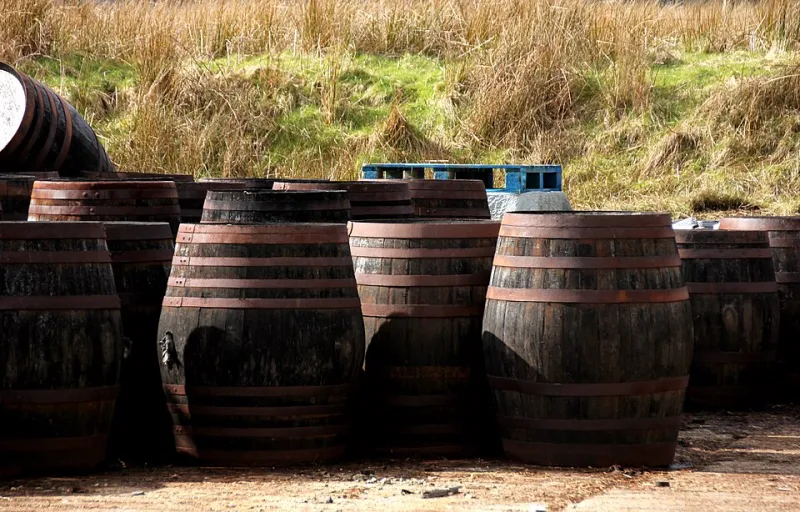
Photo: Jonathan Hutchins , CC BY-SA 2.0, via Wikimedia Commons
The awkward £30 question
Thirty pounds is an odd place to shop for spirits. It is too much for a bottle you plan to drown in cola, and not quite enough for the special-occasion shelf. It is also the price point where UK craft distillers say they feel the supermarket squeeze most sharply. So we gathered six UK craft bottles at £30 or under — three gins, two rums and a vodka — and tasted them blind against widely available supermarket own-label equivalents.
The panel was four regular drinkers, not trained judges, and every bottle was poured neat at room temperature. We scored aroma, palate, finish and value. No labels, no brand stories, no distillery tours. Just liquid in a glass.
What £30 actually pays for
Before the tasting, we asked a Kent gin distiller to break down a £30 bottle. 'By the time we have paid duty, VAT and glass, there is about £7 left for the liquid, the rent and us,' she said. 'The supermarket can buy glass by the million and squeeze the margin. We cannot.'
That is not special pleading. At 40% ABV, a 70cl bottle carries roughly £9 of UK spirit duty, plus VAT. Add glass, closure, label, logistics and retailer margin, and the craft distiller's share of a £30 bottle is thin. Supermarket own-label benefits from scale at every stage — glass, bottling, distribution and shelf space.
The question is not whether craft costs more to make. It does. The question is whether you can taste the difference in the glass.
The blind tasting: what stood out
| Bottle | Category | What the panel found | Verdict |
|---|---|---|---|
| A | London dry gin | Craft had more juniper and a thicker texture; supermarket was clean but thin | Craft |
| B | Pink gin | Supermarket was sweeter and simpler; craft kept the botanicals in balance | Craft |
| C | Contemporary gin | Supermarket was surprisingly good; craft was more complex but not twice as good | Tie |
| D | White rum | Craft was grassy and rounded; supermarket was neutral and slightly hot | Craft, for sipping |
| E | Spiced rum | Supermarket leaned on sugar; craft had less sweetness and more spice | Craft |
| F | Vodka | Supermarket was just as clean; craft texture was lost in a mixer | Supermarket |
The gins were the most interesting round. The supermarket own-label London dry was perfectly drinkable — clean, correct and cheap. But the craft gin had a texture the supermarket bottle lacked, and the juniper stayed on the finish rather than vanishing. The pink gin result was less close: the supermarket version tasted like sweets, while the craft bottle kept the fruit and botanicals in check.
The vodka was the honest disappointment. Neat, the craft bottle had a slight creaminess. In a vodka tonic, that difference disappeared. If you are mixing, the supermarket bottle is the sensible buy.
Where craft wins — and where it doesn't
Craft wins when the spirit is the point. A gin you drink with tonic and a slice of grapefruit, a rum you sip over ice, a bottle you bought because you want to know who made it and where. It wins on texture, on lower sugar in spiced rum, and on the fact that the money stays closer to the distillery.
Craft does not always win on value. If the bottle is going into a rum and coke with two slices of lime, or a vodka soda with a heavy hand of lime, the supermarket shelf is not the enemy. It is the rational choice. Value is not the same as cheap, but cheap is sometimes the right answer.
One distiller we spoke to put it more bluntly: 'We are not trying to beat the supermarket on price. We are trying to give someone a reason to spend £5 more.'
The verdict
In 2026, supermarket own-label spirits are better than they have ever been. That is good news for drinkers and uncomfortable news for lazy craft brands. The £30 craft bottle is worth it when you can taste the care — in gin, in rum, in a spirit you actually want to drink slowly. It is not worth it when the bottle is a mixer ingredient and the brand story is doing all the work.
Buy craft for the glass, not the label. Buy supermarket when the drink is going to be loud. And if you are spending £30, ask what the extra money is buying. If the answer is 'a nicer bottle and a longer story', walk on.