Your Name on the Cask: What Private Barrel Ownership Actually Buys You in the UK
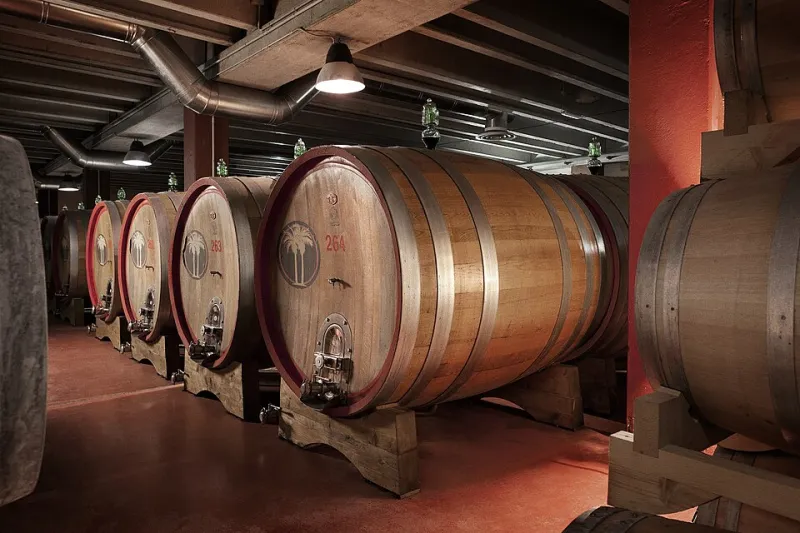
Photo: Angelomagic, CC BY-SA 4.0, via Wikimedia Commons
There is a moment, usually somewhere between the second dram and the calculator, when the idea of owning your own cask feels less like a purchase and more like a promise. Your name on the ledger. A date in the book. A future bottle you can hand to someone and say, that one is mine. UK distilleries have noticed. Private cask schemes now sit alongside tours and tasting rooms as a revenue stream, and the marketing has become very good at selling the romance.
The romance is real. The paperwork is realer. A cask is not a large bottle; it is a small, slow, illiquid arrangement with excise duty attached, and the difference between a scheme that works for you and one that merely works is usually a set of questions nobody asks at the tasting counter.
What you are actually buying
Start with the word “own”. In most UK private cask schemes you do not receive a title deed to a barrel. You receive a contract — often called a certificate of ownership or a cask agreement — that gives you certain rights over a specific cask held in a bonded warehouse. The spirit inside remains duty-suspended until it is bottled or released, and the warehousekeeper answers to HMRC for it. The legal structure matters because it determines what happens if the distillery changes hands, if the warehouse closes, or if you and the operator disagree about what “reasonable access” means.
“People assume they are buying whisky,” says Ewan Fraser, who runs a cask club for a Highland distillery. “They are buying a relationship with a warehouse. The whisky is the easy part. The relationship is where it gets complicated.”
Some schemes are structured so the distillery or a broker remains the registered owner for excise purposes, with you holding a beneficial interest. Others expect you to register under the Warehousekeepers and Owners of Warehoused Goods Regulations — WOWGR — if you are the owner of duty-suspended goods. If that sounds like a detail, it is the kind of detail that decides who is liable if something goes wrong. Ask which model applies to you, in writing, before you pay.
The questions that don’t make the brochure
Private cask brochures tend to major on cask type, fill date, distillery name and the word “limited”. They tend to minor on storage fees after the initial period, insurance, and what happens when the angel decides to take a larger share than expected.
Storage is the first. Many schemes include storage for a fixed term — five or ten years is common — and then move to an annual fee. Ask what that fee is, how often it rises, and whether it is per cask or per litre of alcohol. Ask what happens if you stop paying. Ask whether the cask can be moved to another warehouse, and who pays for the move.
Insurance is the second. The warehousekeeper will usually insure the building and their own liability, but that is not the same as insuring your cask at replacement value. “We tell buyers to check whether they are covered for loss, leakage and accidental damage, and whether the cover is at cost or at market value,” says Priya Nair, who operates a cask brokerage in Leeds. “Most are not. They assume the distillery’s policy covers everything. It rarely does.”
Then there is the cask itself. Who decides if it gets re-racked into a different cask? Who pays for the new wood? What happens if the cask leaks, or the ABV drops below the legal minimum for bottling as whisky? Angels’ share is not a metaphor; it is your volume disappearing, and in a warm warehouse it can disappear faster than the brochure’s projections suggest. Ask for the regauging policy and the sampling policy in writing. Some schemes offer one sample a year; some charge for a valinch; some expect you to visit.
Sampling, visiting and the small print of access
A cask you cannot taste is a rumour. Good schemes allow periodic samples — usually by arrangement, sometimes for a fee — and will send a sample bottle before you commit to bottling. Ask how the sample is drawn, whether it is from the cask you own, and whether the distillery keeps a record of the regauge. If you are buying remotely, ask for a video call with the cask number visible. It is not paranoia; it is provenance.
Visits are another brochure favourite. Ask whether a visit is a right or a courtesy. Ask whether you can bring guests, whether you can draw your own sample, and whether the distillery will store your sample bottles for you. These are small things until they are the only things.
The bill at the end
Bottling is where the arithmetic gets serious. You will pay for the bottles, the labels, the packaging, the bottling run and the duty. Duty is charged on litres of pure alcohol, not on bottles, and it is rarely a rounding error. VAT applies to the services. Many distilleries have a minimum bottling run — fifty or a hundred bottles is not unusual — and some will only bottle through their own bottling line or an approved contractor.
Ask for a full bottling quote at the point of purchase, not at year ten. Ask what happens if you want to bottle only part of the cask and leave the rest maturing. Ask whether the distillery will store the bottled stock, and for how long. Ask who owns the labels and whether you can sell the bottles. Selling alcohol requires a licence, duty and a market; a cask does not come with a shop attached.
Exit routes, and the honesty problem
Most schemes offer a buy-back or a brokering service, usually at a discount to the retail price of the bottled equivalent. Some allow private sale of the cask, but that can trigger excise and licensing questions. Ask what the exit looks like before you enter. Ask whether the distillery has ever bought back a cask, and at what price. Ask whether the contract is assignable if you want to transfer it to a friend or a company.
Then ask the question that separates craft provenance from marketing gloss: where was the spirit actually distilled? Some “distillery casks” are made from spirit distilled elsewhere and matured on site. That is not necessarily dishonest — blending and maturation are legitimate crafts — but it is not the same as a cask filled from the still in the photograph. If the provenance matters to you, ask for the distillation record and the fill date. If the answer is vague, treat the romance with suspicion.
A cask is a contract, not a bottle
None of this is investment advice, and none of it is a reason to avoid private cask ownership. A well-run scheme with a distillery you trust is a genuinely lovely thing: a slow, patient way to own a piece of a place. But it is a relationship with a warehouse, a contract and a tax regime, and the buyers who enjoy it most are the ones who read the small print before the first dram.
At Liquorsmiths, we are all for craft spirits made with care. We are also for tasting properly — which, with a cask, means tasting the terms before you taste the spirit. Ask for the sample. Ask for the regauge. Ask what happens if the distillery is sold. The answers will tell you more about the cask than any brochure ever will.