Warehouse Weather: What a Cask Spends to Stay in the UK
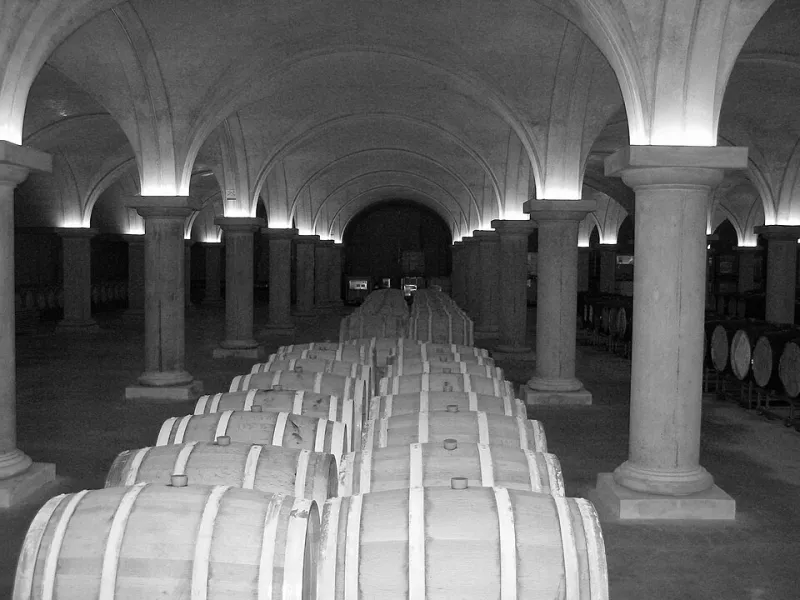
Photo: Costin Costan, CC0, via Wikimedia Commons
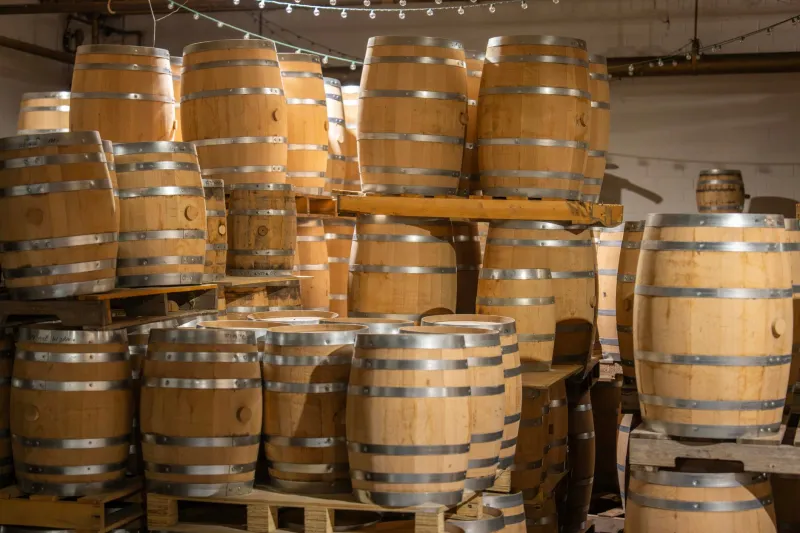
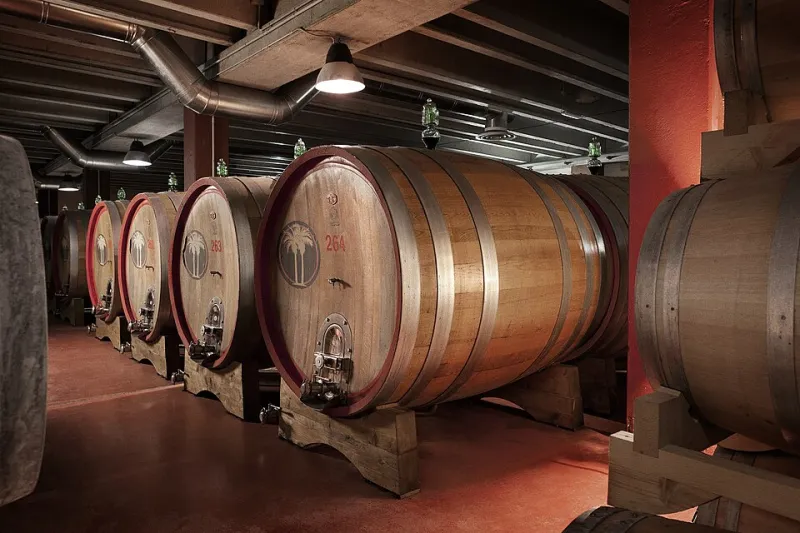
A cask in a UK warehouse is never really sitting still. It is breathing, swelling, shrinking and slowly giving up the spirit inside it. We call that loss the angel’s share, which makes it sound like a tithe to the heavens. For a distiller, it is closer to a standing charge: a cost that arrives every year, whether or not anyone buys a bottle at the end of it.
That matters because maturation is often sold to drinkers as patience. Patience is part of it, but so is warehouse rent, racking, insurance, sampling, duty paperwork and the capital tied up in spirit that cannot be sold yet. The angel’s share is the visible invoice. The rest is the ledger underneath it.
The invoice you cannot see
In the UK, craft distillers rarely have the luxury of a vast, empty shed. Space costs money, and a cask takes up more of it than the number of bottles it will eventually fill. Racks have to be safe, warehouses have to be insured, and casks have to be checked. Every time someone pulls a sample for a progress taste, that is a small withdrawal from the final volume. Every time a cask is moved, there is a chance of damage. Every year that passes, the spirit is worth more — but only if it survives the journey.
There is also duty. Spirits in duty suspense are not the same as spirits you can sell tomorrow. A distiller can carry the cost of maturation for years, but the cash flow is still real. In 2026, with energy, rent and borrowing costs still sharp, the difference between a cask that loses 2% a year and one that loses 4% is not academic. It changes how many bottles a fill actually yields, and therefore what each bottle needs to earn.
Humid is not the same as wet
This is where drinkers often blur two ideas. A waterproof cask is one that does not leak. A weathered cask is one that has been exposed to the slow cycles of temperature and humidity that make maturation happen. They are not opposites. A cask can be perfectly watertight and still be doing exactly what it should: exchanging tiny amounts of vapour with the air around it through the wood.
UK warehouses are generally cool and damp compared with the tropical ageing many rum and bourbon drinkers picture. That does not mean nothing happens. It means the action is slower and more seasonal. A warm spell pushes the spirit into the wood; a cool spell pulls it back out. The cask expands and contracts, and over years that movement extracts colour, tannin and woody sweetness while oxygen quietly changes the spirit’s edges.
Humidity changes the arithmetic of what evaporates. In a damp UK warehouse, alcohol can leave faster than water, so strength may drift down rather than up. In a drier or warmer corner, the balance can shift the other way. This is why two casks filled on the same day can end up at different strengths and different volumes. It is also why a distiller cares about where a cask sits, not just what is inside it.
Topping up is a policy, not a repair
Topping up is one of the least glamorous jobs in a distillery, and one of the most revealing. When a cask’s ullage gets too large, a distiller may add more spirit — usually the same or a closely compatible make — to reduce headspace, slow oxidation and keep the wood from over-speaking. It is not magic. It does not replace what has evaporated. It buys control.
Some distillers top up regularly. Others top up only when a cask is drifting too far. Some barely top up at all, preferring the concentration and character that come with a little more air. None of these choices is automatically better. They are house policies, and they affect the final flavour as much as the final yield. A bottle that says ‘matured in oak’ tells you nothing about whether the cask was kept full, sampled hard, or left to breathe in a cool corner for a decade.
What the label can and cannot tell you
Maturation claims are worth reading closely, but not reverently. An age statement usually refers to the youngest spirit in the bottle, not the oldest. ‘Finished’ means the spirit spent a final period in a particular cask, but the label may not tell you how long. ‘Rested’ is a softer word, and it does not carry the same weight as ‘matured’. ‘UK matured’ can be a genuine signal of a slower, seasonal style — or simply a statement of geography.
The better questions are practical. What kind of cask? What fill strength? Was it topped up? Where did it sit? How was it sampled? A distiller who can answer those questions is usually a distiller who knows what the angel’s share has been doing to their spirit.
The flavour ledger
None of this is only accountancy. The reason UK maturation appeals to drinkers is that the climate leaves a particular fingerprint: less tropical bluster, more slow extraction, more savoury wood and more seasonal give-and-take. The angel’s share takes volume, but it also takes the sharp new-make edges with it. What remains is usually gentler, more integrated and more dependent on the cask’s history.
So when you see a maturation claim, read it as a cost statement as well as a flavour note. Every missing litre has paid for something — warehouse time, wood contact, oxygen, complexity — but it has also paid the rent. The best craft spirits do not hide that bargain. They just make it worth the invoice.