Patience, Paid Forward: The Drinks That Bankroll a UK Distillery’s Waiting Game
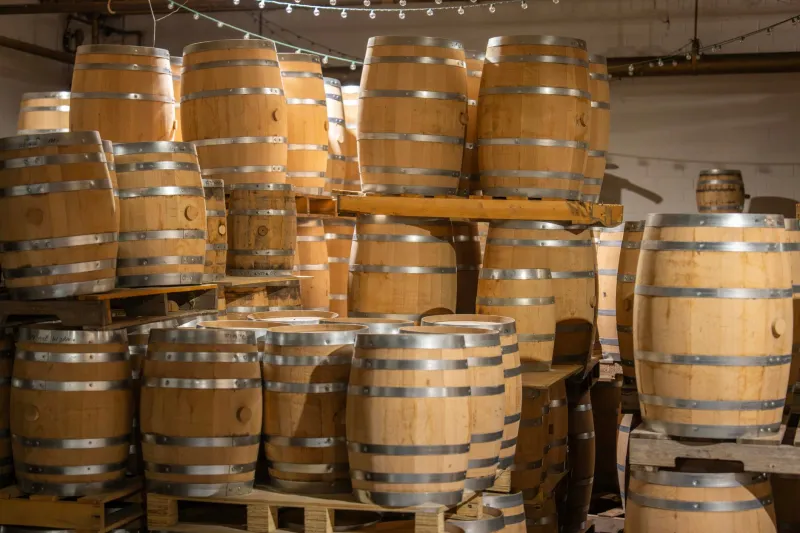
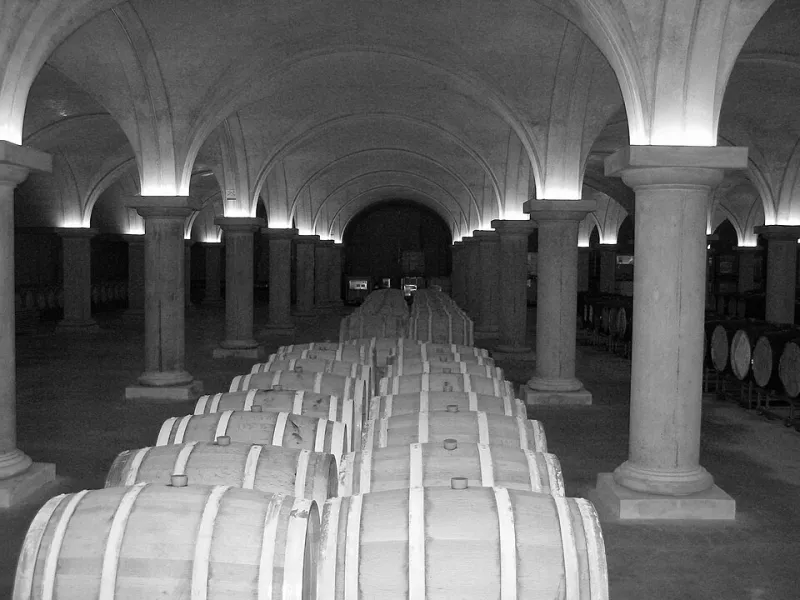
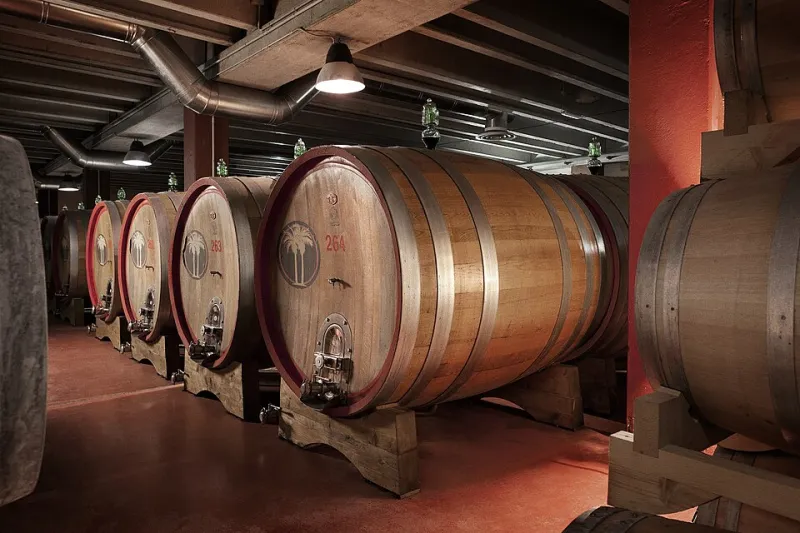
A cask of whisky is a lovely thing to own and a terrible thing to rely on for next month’s wages. It sits there, quietly becoming more interesting, while the distillery around it needs to pay for glass, grain, energy, insurance and the person who keeps the books. This is the central tension of UK craft distilling: the good stuff takes time, and time is expensive.
So distilleries sell other things while they wait. Gin is the obvious one, but it is not the only one. Vodka, white rum, distillery tours, tasting events, shop sales and limited releases all do a job. None of them is a shortcut to easy money. Together, though, they can buy a young business the one thing it cannot otherwise afford: another year.
The maths of a sleeping cask
A new-make spirit going into a cask is not yet a saleable product. It is stock. It may be valuable in a few years, but until then it is a cost centre with a wooden lid. The distiller has already paid for the malt or grain, the yeast, the water, the energy for distillation and the cask itself. Then come warehouse space, insurance and the slow loss of volume to evaporation — the angels’ share, if you like your economics romantic.
In the UK, duty is generally suspended until spirits leave duty suspension, so the tax bill is not usually sitting on the whole maturing stock in the same way it would on a bottle ready for sale. That helps. It does not solve the problem. Casks are illiquid assets. You cannot pay a cooper with a promise of future sherry-bomb character.
This is why so many craft distilleries launch with a portfolio rather than a single hero product. A whisky distillery with a three-year-old spirit needs something else on the shelf in year one. A rum brand waiting for its aged stock needs a white rum or a spiced rum that can move now. Even a distillery making only gin is making a choice about cash flow, because gin can go from grain to bottle in weeks rather than years.
Gin as working capital
Gin has been the craft sector’s favourite cash-flow tool for a simple reason: it can be made quickly, sold at a decent margin and tweaked with botanicals to create a house style. A distiller can experiment with juniper, coriander, citrus, angelica, or something more local — heather, seaweed, rhubarb, whatever the landscape offers — without waiting for a cask to decide whether the idea works.
But gin is not an ATM. The UK gin shelf is crowded, and a new bottle has to earn its space. Distillers talk about repeat trade, not just launch-day novelty. A gin that sells steadily through the distillery shop, local delis and a few good bars is doing more for the business than a limited edition that sells out once and then sits in a warehouse. The point is not to make any old gin. The point is to make a gin people buy again.
Vodka can do a similar job, often with an even shorter route to market. So can a young rum, a botanical spirit or a liqueur. The craft distiller’s portfolio is not a sign of distraction. It is a sign of arithmetic.
The tour ticket and the bottle at the gate
Direct sales matter enormously. A distillery tour, tasting or open day brings people through the door, and the bottle they buy at the end carries a better margin than one that has passed through a distributor, wholesaler and retailer. That margin is what helps cover the less glamorous bits of the operation: the compliance paperwork, the broken pump, the new valves, the staff training.
Tours are not free money, though. They need a warm room, a clean toilet, a sensible route around the stills and someone who can talk about fermentation without putting a group of Saturday afternoon visitors to sleep. If a distillery is in a railway arch in a city, footfall may be easier; if it is on a farm track outside a village, the tour has to be an event worth travelling for. Either way, it is hospitality as much as manufacturing.
Limited releases do a different job. A small bottling of a young spirit, a cask-strength experiment or a distillery-only edition can generate cash and interest without pretending the core aged stock is ready. It also lets the distiller test the market. If a hundred bottles disappear in a fortnight, that is useful information. If they linger, that is useful too, if less enjoyable.
What it means in the glass
The portfolio model leaves marks on the bottle you eventually buy. A mature whisky may be priced not only on its age and cask, but on the years of storage and the cost of the gin, vodka and tours that kept the lights on while it slept. That does not make the whisky dishonest. It does mean the price is telling a story about patience, and patience has overheads.
The pressure runs the other way too. A distillery that is short of cash may be tempted to release whisky earlier than it would like, or to lean too hard on a famous cask finish to distract from a spirit that is not quite ready. The best operators resist that. They use the faster products to protect the slower ones, rather than raid the warehouse for a quick fix.
For drinkers, there is a practical lesson. If you want the long-aged stuff to keep existing, the younger portfolio is not a sideshow. The gin, the tour, the small release and the distillery-shop bottle are part of the ecosystem. Buying them is not charity. It is buying a decent drink and, incidentally, helping fund the next few years of cask sleep.
The healthier version
The model works best when the faster products are good in their own right. A distillery that makes a dull gin to subsidise a brilliant whisky is asking for trouble; the gin will not build the repeat custom the business needs. A distillery that makes a gin people actually want, runs a tour people enjoy and bottles small releases with care is building something more durable than a waiting room.
At Liquorsmiths, we are less interested in the romantic image of the patient artisan than in the reality of the cash-flow chart. The two are connected. Every cask that reaches its tenth birthday has been paid for somehow, by someone, through something. Often it is a bottle of gin, a ticket, a tasting or a limited run that bought the distiller enough time to leave the cask alone.
So next time you see a young UK distillery with a gin, a vodka and a whisky all on the same shelf, look a little closer. That is not a lack of focus. That is a business model with its sleeves rolled up, buying itself another year in the warehouse. The whisky will thank them later. The rest of us just have to drink our way through the waiting room.