The Batch Code Tells a Story: Why Your Next Bottle Won’t Be a Clone
You find a bottle you love. You buy another. Same label, same distillery, same reassuringly familiar shape on the shelf. Then you pour it and something has shifted: the gin is a little rounder, the whisky a touch drier, the rum less grassy. Your first thought is that something has gone wrong. Usually, nothing has.
Batch variation is one of the quieter facts of craft spirits. It is also one of the most misunderstood. In a category built on small runs, hands-on distilling and ingredients that arrive in finite parcels, two bottles from the same producer can genuinely taste different — and that is not automatically a fault. The interesting question is whether the difference is a sign of care or a warning sign of drift.
A batch code is a breadcrumb, not a barcode
Most craft bottles carry some kind of batch information. It might be a neatly printed lot code on the back label, a handwritten number near the neck, or a bottling date tucked into the small print. None of it is decorative. A batch code is the distiller’s internal reference point: which run, which casks, which day, sometimes which still. It is the difference between saying ‘I liked that bottle’ and saying ‘I liked that batch’.
Not every producer makes it easy to find. Some codes are tiny. Some are cryptic. Some are printed on the glass rather than the paper. But if you find a bottle you rate, photograph the label before recycling it. That code is your best chance of tracking down a similar pour later, or at least asking sensible questions when you go back to the shop.
Why the same recipe can give a different drink
Craft spirits are agricultural products dressed in nice glass. Four levers do most of the work, and every one of them can move.
Cask selection is the obvious one for whisky, rum and aged spirits. Even two refill casks from the same cooperage will not behave identically. One might have held a punchier spirit before; another might be quieter. A distiller blending a small batch has to choose casks that sing together, and the choice changes with every dump. Single-cask releases go further: they are meant to differ, because no two casks are the same.
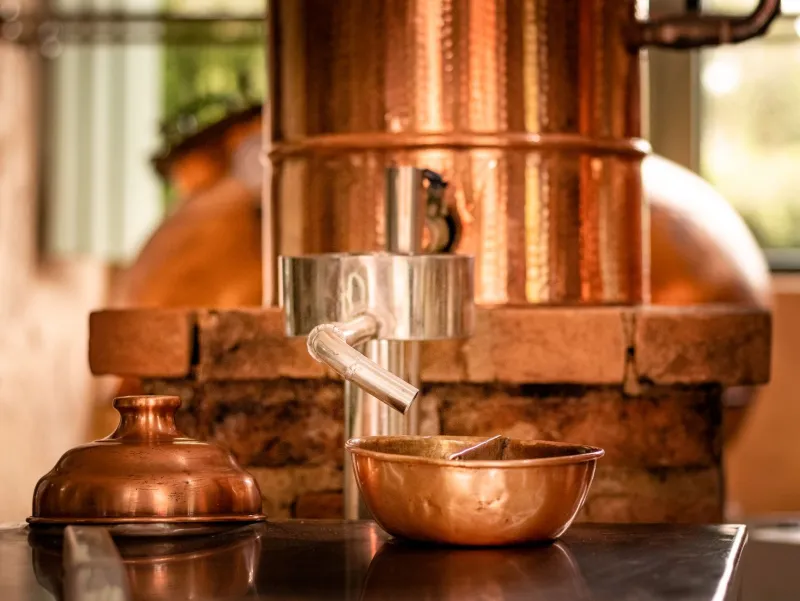
Still runs matter just as much. Cut points — where the distiller separates heads, hearts and tails — are a judgement call, not a fixed setting. A slightly earlier cut can give a cleaner, lighter spirit; a later one can add weight and texture. Wash strength, distillation speed and the condition of the still all nudge the result. In a small distillery, those nudges are not averaged out across millions of litres.
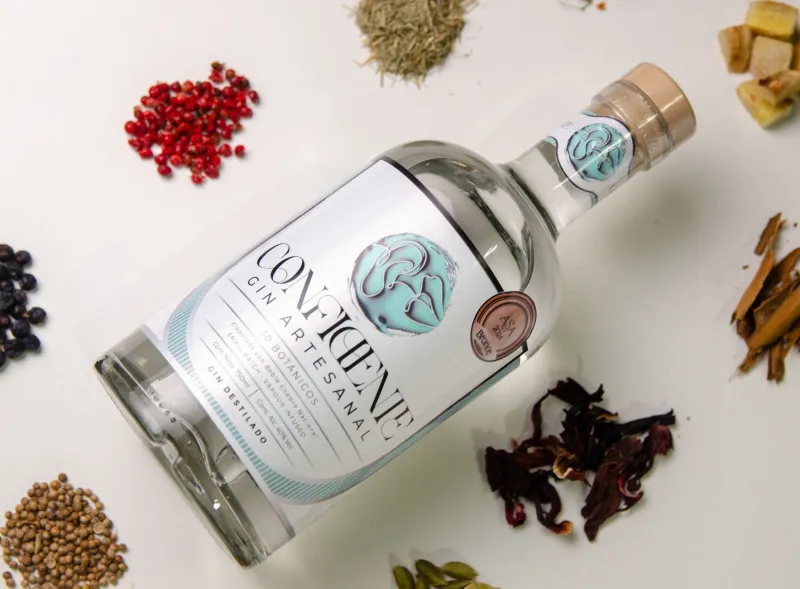
Botanicals and raw materials bring their own weather. A juniper harvest one year is not the same as the next. Coriander seed, citrus peel, barley, molasses: all vary by supplier, season and storage. A distiller can adjust the recipe to compensate, but small parcels make consistency a moving target.
Then there is bottling. ABV, filtration and even the rest the spirit takes after bottling can affect how it shows up in the glass. A batch bottled at 46% and left to settle for a few weeks can taste different from one rushed to the shelf. These are small effects, but craft spirits are often small-effect drinks.
Consistency is a choice — and it costs something
Good distillers know all this. The ones I have spoken to tend to treat consistency as a discipline rather than an accident. They keep reference samples from previous batches. They run sensory panels, taste against a target profile, and adjust the blend or the cut to keep the core range recognisable. Some hold back a library of retained bottles so they can compare this year’s release with the one that established their reputation.
But consistency has a price. Push it too hard and you can file the edges off the very character you fell for. The best producers tend to aim for a family resemblance rather than a photocopy: the same accent, not the same sentence. If a distillery can tell you what changed between batches and why, that is usually a good sign. If nobody can explain a sudden shift, ask again.
When variation is the point
There is a difference between variation within a known character and a bottle that has wandered off. A seasonal gin that shifts with the botanical harvest is doing what it says on the tin. A single-cask whisky that tastes different from the last one is not inconsistent; it is single-cask. A core-range bottle that swings wildly from batch to batch is a fair question for the producer.
My rule of thumb is simple: if the difference feels like a new sentence in the same voice, enjoy it. If it feels like a different person wrote it, ask what happened.
How to compare two batches without driving yourself mad
Memory is a poor tasting glass. If you want to compare batches properly, pour them side by side. Use the same glass shape, the same measure and the same temperature. Give both a few minutes to open up. Taste blind if you can — ask someone else to label the glasses — because expectation is a strong seasoning.
Add water carefully and at the same ratio for both. Take notes on aroma first, then palate, then finish. You are not looking for a winner so much as a description: what does this batch have that the other does not? A little more texture? A shorter finish? A louder botanical note? That is the useful information.
Buying, storing and the batch you loved
If you find a batch you love, note the code and buy a spare if the budget allows. But do not assume older is better. A bottle that has sat in a warm shop window for two years is not automatically superior to a fresh batch. Store spirits upright, away from heat and direct light, with the closure tight. If you decant into a fancy bottle, drink it rather than cellaring it; decanters are for serving, not long-term storage.
When you repurchase, ask the retailer which batch they are holding. Independent bottle shops are often happy to check the code on the shelf. Online, look for bottling dates or lot numbers in the product listing. If none of that is available, buy one bottle first and taste before committing to a case.
The takeaway
A second bottle that tastes different is not necessarily a failure of quality control. It is a reminder that craft spirits are made in batches, by people, from materials that change. The batch code is not a secret handshake. It is an invitation to pay attention — to taste the difference, ask the question and decide for yourself whether the variation is a flaw or the whole point.