Char, Toast and Burnt Heather: How UK Distillers Are Making Smoke Without Peat
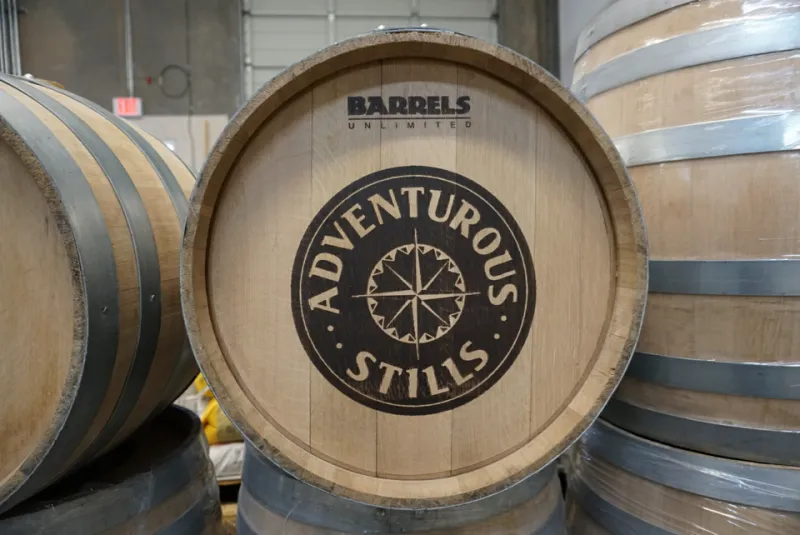
Photo: Kees08, CC BY-SA 4.0, via Wikimedia Commons
In 2026, the most interesting smoke in a UK glass is not necessarily coming from Islay. It is coming from coopers’ yards in Speyside, from roasting drums in Oxfordshire, and from a small smoke box in Powys. A quiet group of English, Welsh and Scottish distillers is chasing smoke without peat — not as a gimmick, but as a way of making spirits that taste of their own places and processes.
That matters because ‘smoky’ is one of the laziest words in drinks. On a UK bottle label it can mean peat reek, barrel char, toasted oak, roasted grain, or a botanical blend that has been deliberately smoked. None of those things taste the same. The best makers are starting to say so.
Smoke is not a single flavour
Peat smoke is distinctive because it is phenolic. It gives iodine, tar, antiseptic and bonfire notes. Cask char gives a different kind of smoke: sweeter, spicier, more like toasted marshmallow and cigar ash. Roasted grains bring toast, coffee and dark bread. Burnt heather — used carefully — can be floral and woody rather than medicinal.
‘We are not trying to fake Islay,’ says Mara Ellison, head distiller at Cairnapple Distillery in Perthshire. ‘We want the smoke you get from a cask that has been charred hard and then left alone. It is a slower, sweeter kind of smoke.’
At Cairnapple: char first, questions later
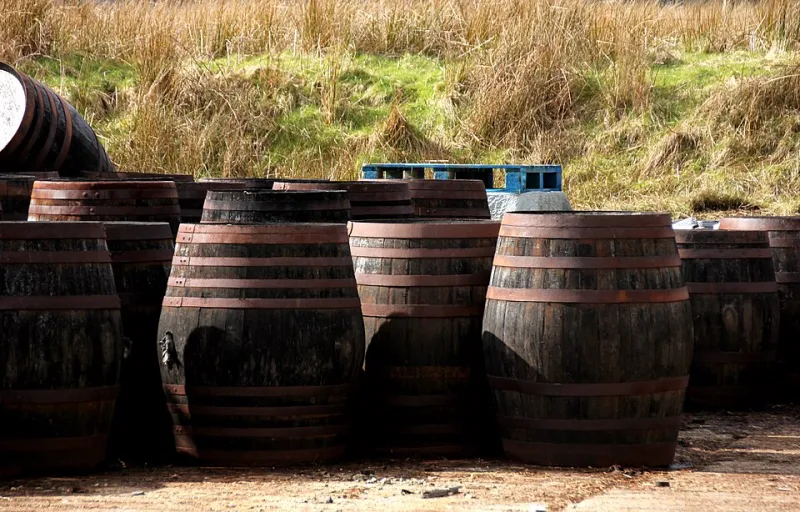
Cairnapple’s Ember Batch is a single malt aged in heavily charred American oak. Ellison uses a number four char — the inside of the cask looks like alligator skin — and re-charks some casks before filling. The result is not peaty. It is smoky in the way a well-toasted oak stave is smoky.
Tasting note: dry ash, toasted almond, burnt orange peel and a finish of vanilla and clove. There is no iodine, no hospital blanket, no tar. If you handed it to someone blind and told them it was smoky, they might guess a lightly peated whisky; they would be wrong.
‘Char is a ingredient,’ Ellison says. ‘You have to treat it like one. Too much and you get bitter ash. Too little and you have wasted a good cask.’
Harrow & Heath: the roast in the mash
In Oxfordshire, Harrow & Heath takes a different route. Co-founder Tom Beresford uses roasted chocolate malt and a proportion of roasted barley in the mash for a rye-heavy spirit called Char No. 4. The smoke here comes from the grain, not the barrel.
‘Roasted grain gives you smoke that sits next to coffee and dark chocolate,’ Beresford says. ‘It is not peat. It is toast. It is the difference between a burnt marshmallow and a burnt loaf.’
Tasting note: cacao nib, cigar ash, rye spice, honey on dark toast. It is drier than the Cairnapple, with a peppery edge and a long, savoury finish. Good in a Manhattan, better neat with a glass of water.
Mynydd: heather in the air
Wales has its own answer. At Mynydd Spirit Co. in Powys, distiller Nia Prosser makes a botanical spirit called Hearth. She burns heather and oak shavings in a small smoke box, draws the smoke through a chamber of neutral spirit, then redistills with juniper, heather honey and a little angelica.
‘Heather smoke is softer than peat,’ Prosser says. ‘It is floral and a bit sweet. You have to be gentle with it or it turns into an ashtray.’
Tasting note: heather honey, woodsmoke, white pepper, a faint herbal bitterness. It makes a very good highball with soda and a grapefruit peel, and a strange but successful martini with a rinse of dry vermouth.
What ‘smoky’ means on a UK label
There is no single legal definition of ‘smoky’ on a UK spirits label. For Scotch whisky, ‘peat smoked’ is generally understood, but it is not a tightly policed term in the way ‘single malt’ is. For gin, rum and other spirits, ‘smoked’ can mean almost anything: smoked botanicals, smoked sugar, smoke-infused spirit, or spirit aged in a charred cask.
So ask three questions. Is the smoke from the grain, the cask, or an added smoke process? Is it phenolic and medicinal, or sweet and woody? And does the label tell you how much smoke to expect, or is it just a word on the front?
The best bottles are starting to answer those questions. Cairnapple prints the char level on the back label. Harrow & Heath lists the roasted malt percentage. Mynydd names the fuel — heather and oak — on the neck tag.
The verdict
Smoke is a technique, not a postcode. Peat is one way to get it. Charred casks, roasted grains and burnt heather are others. For UK craft spirits, that is a good thing: it means smoke can come from the process, the cask and the landscape without every smoky bottle tasting like a ferry terminal on the west coast.
If you have avoided smoky spirits because you think you do not like peat, these are the bottles to try. Start with the Cairnapple if you want something familiar but darker. Try the Harrow & Heath if you like rye and coffee. And if you want to taste what a Welsh distiller can do with a smoke box, order the Mynydd Hearth in a highball and pay attention to the finish.